

Free Standing Bio Ethanol Fireplace
If you want to add a bit of style to your living space without the expense and hassle of installing look into a freestanding bioethanol fireplace. These fireplaces use a bioethanol fuel that burns efficiently and can be installed in any house, including beach houses and shepherds cottages.
You can move them from room to room as long as you keep them away from curtains and flammable objects.
Easy to install
A free-standing bioethanol fireplace can provide warmth and style without the use of electricity or gas. The fireplace is powered by bioethanol, which burns cleaner and emits less CO2 than other fossil fuels. It is also safer than traditional fireplaces, because it doesn't produce toxic gases or smoke. Follow the instructions included with your bioethanol fireplace to install it easily.
The first step is to secure the support plate to the wall. This is a crucial part since it will support the weight of your fireplace and must be strong and stable. This part should be secured using the appropriate screws and dowels. Once the support is in place you can connect the adapter and connect it to your wall mount. Then, you can put in your bio fireplace and start relaxing in its warm flames.
When installing a bioethanol stove, place it at least a foot away from items that are flammable. This will prevent the fire from causing accidents or injuries. Avoid adding any combustible materials to the flames. You should never move your fireplace once it is lit or when the flames are still blazing.
Ethanol Fireplaces are easy-to-clean and come in many styles. Some are designed to resemble traditional wood stoves whereas others feature more modern designs. They can be used both indoors and outdoors. They can be found in living rooms, bedrooms and kitchens. A TV that is hung over the fireplace is a popular choice. You can enjoy the flickering fire while watching your favorite show.
The model will vary, but some bioethanol fireplaces have safety features that include a tempered glass front which blocks access to the flame. This is a great feature for families with pets or small children. This safety feature can save you money on costly repairs. But, it is essential to review the guidelines of the manufacturer to make sure your fireplace is safe for use.
No chimney or flue is required.
If you've ever thought of adding a fireplace to your home but were put off due to concerns about cost or sustainability, a stand-alone bio-ethanol fire could be the best option for you. They burn clean and produce no harmful smoke or fumes, making them safer to use around pets and children. They're also easy to install and can be moved to other rooms of your home if needed.
Bio ethanol fireplaces are available in many styles and designs. They can be constructed to look like traditional fire places or contemporary wall-mounted fireplaces. Some can be hung from the ceiling to create a focal point to the room. ethanol free standing fireplace don't release fumes or smoke you can put them anywhere in the home - including outside on your patio.
There are two kinds of ethanol fireplaces that are freestanding. The first is the wall-mounted one. Wall-mounted models are designed to be hung on a wall, similar to a flat-screen TV. This makes them an ideal option for smaller homes or apartments where floor space is at a premium. Some of these models also have the unique double-sided design making them suitable for use in both rooms in the home.
You can purchase insert models to install into existing fireplace openings. These inserts can be installed in gas or wood-burning fireplaces and can transform your home into a bio-friendly fireplace.
Ethanol fireplaces don't require a chimney or flue, which greatly eases the installation process and lowers the overall cost. This is especially true if you build your fireplace yourself. Many manufacturers offer detailed instructions on how to install and use their fireplaces. You can find them on the website of the manufacturer or in a user guide.
Although these fireplaces are simpler to install than other fireplaces however, you must follow the basic safety guidelines for using them. You should, for instance ensure that you have a fire extinguisher close to the fireplace and do not overfill the fuel tank because this could cause a dangerously large flame. It's also important to remember that you must use a bioethanol fireplace in an area with good ventilation.
Aesthetically pleasing
A freestanding bioethanol fire is an ideal method to add an elegant accent to your home. They don't produce any harmful smoke or fumes and are therefore safe for use in homes with children or pets. They don't generate more heat than a wood-burning fireplace, but they can still be used to create a cozy space. You can find a variety of sizes and styles to suit your space. Some come with accessories such as log sets and protective covers.
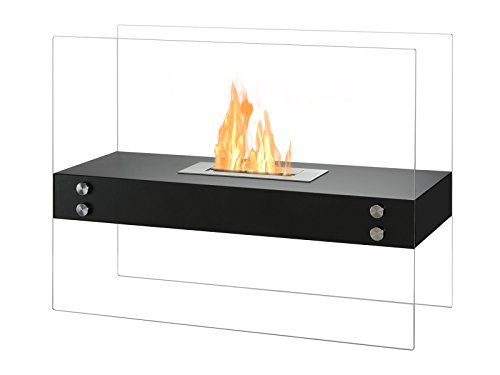
Ethanol fireplaces are simple to maintain and do not require a chimney or a flue they are an eco-friendly alternative to traditional wood-burning fires. The fuel is made up of fermented vegetables that release water vapour as well as a tiny amount of carbon dioxide - similar to human breath - with no ash or soot. Follow the directions on the burner, and keep flammable items at least 1.5m from it. It is also important to check the glass panel and grate regularly for signs of wear and tear.
Sierra Biofuel Fireplace is a unique fireplace with glass tempered, black powder-coated metal and an original design. It is mobile and can be moved easily throughout the room. It can be used outdoors and indoors which makes it a great choice for any environment.
You can easily install an independent bio ethanol fire by placing it in the location you want at home or in the office. Then, you simply add the fuel in liquid form into the reservoirs until they are full to the capacity shown on the container. Once the burner is full and lit, you can light it using an extended lighter or a fireplace match. A funnel can make the task easier. Spills can be easily removed out of the tank.
The burners can be utilized in any room of the house. They do not release harmful carbon monoxide or gases, and can be used in areas with no ventilation. However, they should be an addition to your primary source of heat and should not replace it. Also, keep any flammable objects at a distance from the flames and ensure that the object is cool before moving it.
Easy to clean
It is easy to maintain and clean an open-air bio ethanol fireplace. To clean any residue that may have accumulated from the flames, you can clean the burner using gentle cloth and mild soap. When the fireplace is completely cool it is safe to move it. It is essential to keep flammable objects like furniture and curtains, a meter away from the fireplace when it is in use.
Ethanol fires don't produce smoke or carbon monoxide, which makes them safer than traditional wood fires. They don't require chimneys or flue, and they do not release harmful pollutants into the air. They are a great choice for people who want an environmentally friendly alternative to a gas or wood burning fireplace.
But, as with ethanol free standing fireplace -generating devices, they must be used in a safe manner to avoid any risks. When selecting a bioethanol fireplace, look for one that is certified by an independent testing organization to ensure that it complies with the standards of the industry. Also, follow the instructions on the box for refilling and removing the flames. It is essential to keep the flame away from any materials that could ignite and to never move it if it's burning.
Before cleaning a fireplace made of bio-ethanol make sure it is completely cooled and shut off. Don't immerse the flame in water and stay clear of harsh chemicals because they could damage the surface. Begin by wiping the burner with a damp cloth and some mild soap. Once the burner is clean, dry it with the help of a soft cloth, and let it air dry.
Next, wash the remaining pieces in your fireplace. Use a clean cloth and mild soap to thoroughly clean all of the components. After cleaning the components, let them dry completely before reassembling. Refueling your bio-ethanol fireplace also something to be cautious about. Do not add ethanol directly to the flames. Only add fuel after the fireplace has been cooling. Doing so can cause severe burns and may also shorten the lifespan of your fireplace.